
I love finding out about my local history, so I was fascinated to learn that we live near the site of a long-lost holy well. The water from the Henwick Holy Well was credited with the power to cure eye ailments, as holy well water often was, and people would seek it out chiefly for this purpose. In medieval times, a monastery was built beside the well, and the resident monks would enjoy baths filled with the fine spring water.
The water of Henwick Holy Well was so renowned that it was conveyed all the way to Worcester Cathedral, on the other side of the River Severn, through underground lead pipes, although one wonders whether the toxicity of the lead didn’t cancel out any health properties the water might have had. The pipes are long gone now; excavated and turned into bullets by Parliamentarian troops during the siege of Worcester in the Civil War, but locals continued to enjoy the spring water in cans costing 1/2d each and in beer brewed by a local porter brewery until it burnt down in 1791.
Yet despite its popularity, the Henwick Holy Well was despoiled and bricked up in the 1870s. Perhaps it could not compete with the more famous spring water from the nearby Malvern Hills? Or perhaps, as the area became increasingly urbanised its presence was considered a public nuisance or health hazard? The spring must still exist deep beneath the ground, as from time to time its waters bubble up through the ground before being hastily tarmacked over by Worcester City Council.
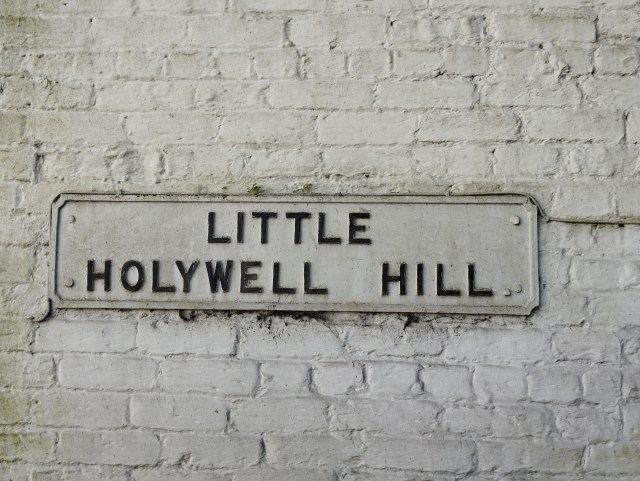
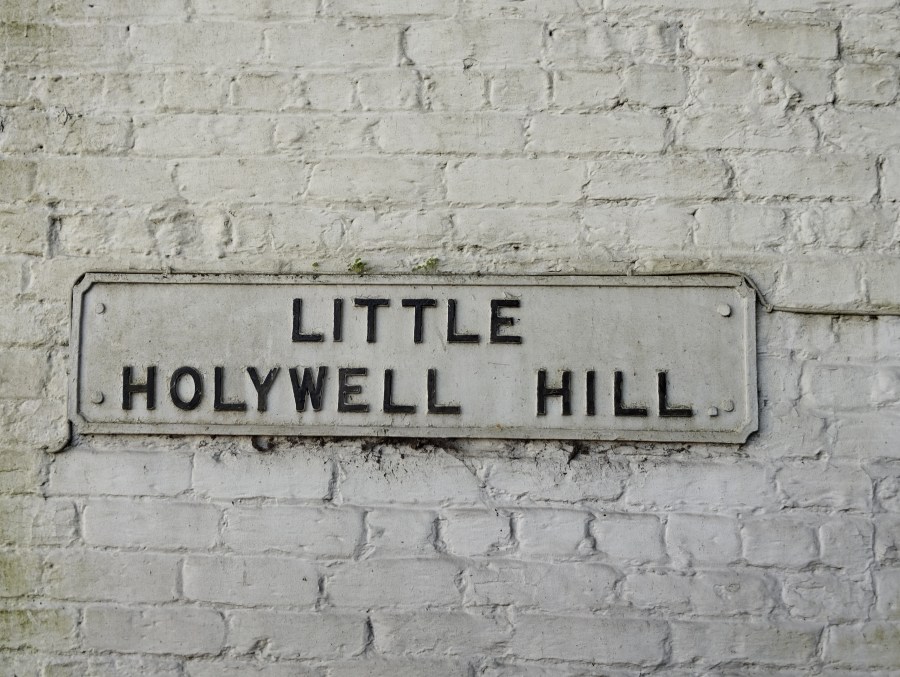
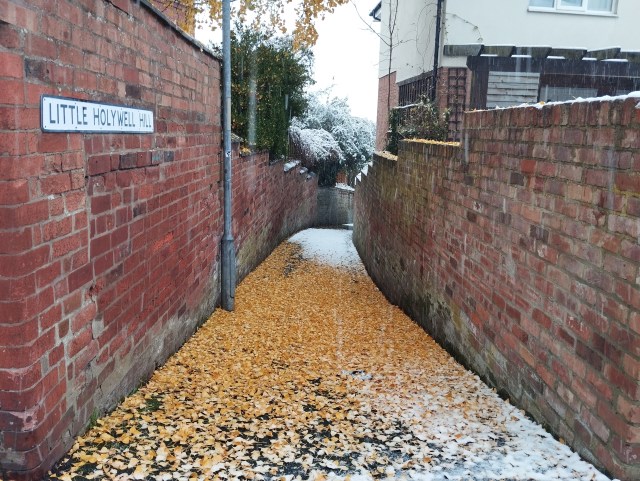
Reminders of the well remain in the names of two passageways (Holywell Hill and Little Holywell Hill) leading up and down the hill between Hylton Road and Henwick Road, and in the name of a listed building near the top called Holywell House. For some reason, many people feel compelled to insert an extra ‘l’ into these names and say ‘Hollywell’ instead of ‘Holywell’, which probably grates on me more than it should.
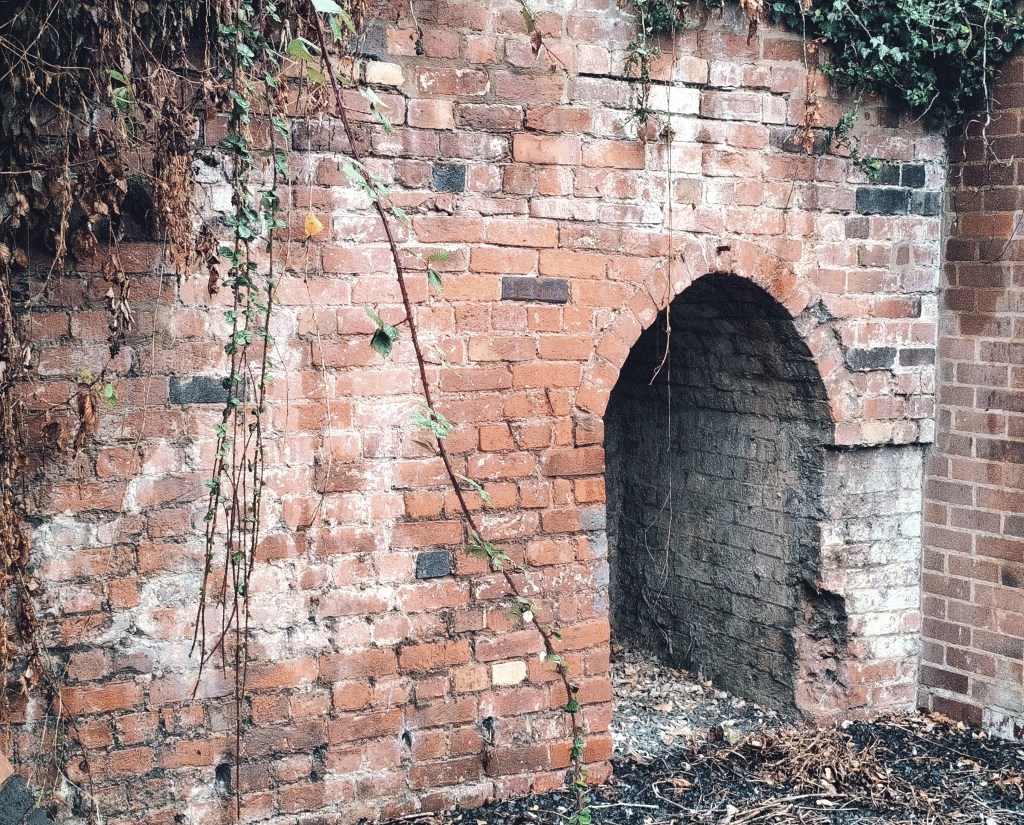
On Hylton Road, at the bottom of the hill, just beside the entrance to Little Holywell Hill, there is an old pub called the Crown and Anchor. Long derelict, the pub is currently being transformed into flats. As quite a narrow passageway, I believe that Little Holywell Hill would be called an ‘entany’ in old Worcestershire dialect. In the old brick wall on one side of the entany, partially obscured by ivy and moss, there is a low, spooky-looking, bricked-up archway – perhaps a remnant of the former monastery? I wonder how many people, walking along the entany, (perhaps on their way home from an evening at the Crown and Anchor, which, perhaps, once served beers brewed with the famous holy well water), have hastened their pace as they passed this archway, for fear of spotting spectral monks emanating from it?
Holy wells were historically associated with a genius loci (a guardian spirit) and/or a Christian saint, who would bless the water in exchange for offerings, but I have been unable to find one linked to the Holy Well at Henwick. If you know of one, please get in touch.
In researching this post, I used Worcesterpeopleandplaces.org.uk

